Review: Funny Halloween Skeleton Embroidery for Merch
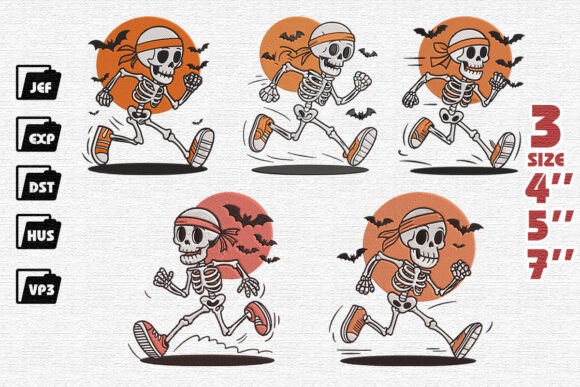
As an embroidery designer who has spent years digitizing files and consulting with small business owners, I approach every new machine embroidery design with a critical eye. It is not enough for a graphic to look cute on a screen; it must perform under the needle, survive industrial washing, and elevate the brand identity of the client using it. Recently, I evaluated the Funny Halloween Skeleton Embroidery design to determine its viability for commercial use beyond simple holiday costumes. This review focuses on how this asset functions for branded patches, staff uniforms, and boutique merchandise.
First Impressions and Visual Personality
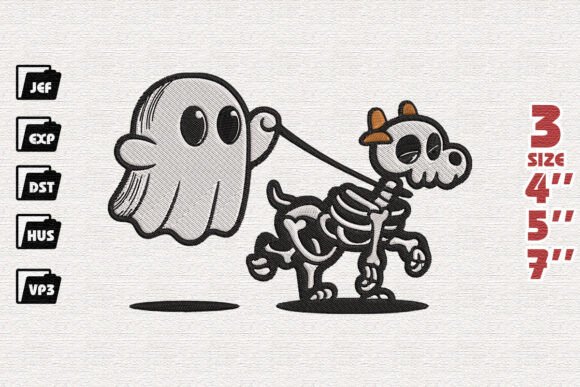
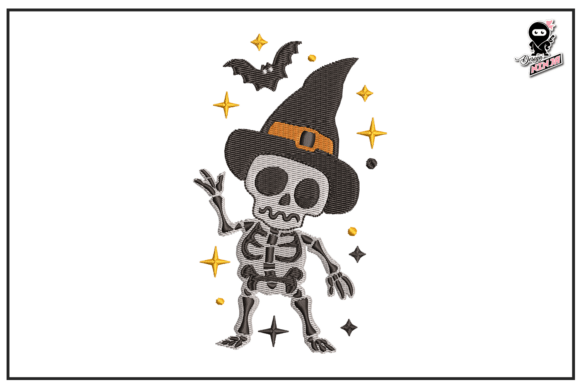
The immediate impression of the Funny Halloween Skeleton Embroidery is one of approachable playfulness. Unlike traditional spooky motifs that rely on harsh lines or aggressive imagery, this design leans into a friendly, festive aesthetic. For a handmade product line or a local business looking to engage customers during the autumn season, this tone is invaluable. It feels decorative yet modern, avoiding the cluttered look that often plagues low-quality digital files.
When reviewing the visual weight, the design appears balanced. It does not scream for attention in a way that overwhelms the garment but offers enough detail to be recognized as a premium embellishment. For brands in the bakery, florist, or pet care sectors, this level of whimsy can soften a corporate image, making the business feel more community-oriented and accessible.
Commercial Applications for Small Business Merch
The true test of any digital embroidery file is its versatility across different substrates. Here is how I envision this skeleton design performing in real-world business scenarios:
- Embroidered Patches: This is perhaps the strongest application. A well-digitized skeleton makes for an excellent iron-on or sew-on patch. Businesses can order these in bulk and apply them to denim jackets, canvas bags, or even laptop sleeves as limited-edition seasonal merch.
- Staff Uniforms and Aprons: For cafes and boutiques, standard uniforms can feel sterile. Adding this design to the chest pocket of an apron or the sleeve of a work shirt adds personality. It signals to customers that the staff is engaged and that the brand values fun, which can enhance customer trust and engagement.
- Cap Embroidery: Placing a simplified version of this design on the front or side of a baseball cap creates a trendy, wearable asset. However, curvature requires careful digitizing to prevent distortion.
- Tote Bag Design: Canvas tote bags are staples for eco-friendly brands. A centered skeleton motif serves as a bold statement piece, turning a simple bag into a conversation starter and a walking advertisement for the shop.
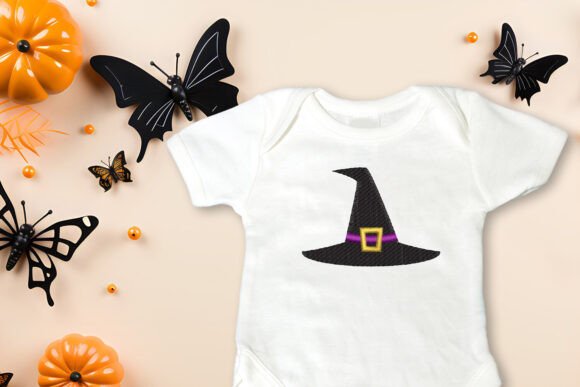
For Etsy sellers and crafters, this design can be the centerpiece of a "Spooky Season" collection. It transforms basic blanks into high-value items. When used on baby onesies or toddler shirts, as suggested by the product description, it taps into the lucrative market of festive family matching outfits. Parents are increasingly looking for unique, non-mass-produced options for their children, and a high-quality embroidered item fits this demand perfectly.
Technical Considerations and Production Notes
While the aesthetic appeal is strong, production success depends on technical execution. Before running a full batch of custom apparel, I recommend several critical steps to ensure the finished product meets professional standards.
First, always check the stitch density. If the design is too dense, it can cause puckering, especially on lighter fabrics like cotton onesies or thin tote bag material. Conversely, if the density is too low, the backing fabric may show through, ruining the visual impact. Request a test stitch-out on the exact fabric you intend to use. If the design includes fine details, verify that they will hold up at smaller sizes. A design that looks crisp at four inches may become a muddy blob at two inches.
Thread color contrast is another vital factor. Since this is a skeleton design, it likely relies on light threads against dark backgrounds or vice versa. Ensure your thread palette provides sufficient contrast. For dark uniforms, consider using a bright white or neon accent thread to make the design pop. For light-colored aprons, a charcoal or soft gray might offer a more sophisticated, subtle look than stark black.
Stabilizer selection cannot be overlooked. For stretchy fabrics like toddler shirts, a cut-away stabilizer is usually necessary to maintain shape after washing. For woven materials like canvas totes, a tear-away may suffice, but testing is essential. Always confirm the recommended hoop size matches your machine’s capabilities. If the design is large, you may need to split it or use a larger hoop, which affects placement options on smaller garments like caps.
Brand Identity and Customer Perception
Using seasonal designs like the Funny Halloween Skeleton Embroidery strategically can significantly boost brand recognition. It shows that your business is active, current, and culturally aware. For small businesses, these limited-time offerings create urgency and excitement among buyers. It transforms a static logo into a dynamic part of the customer experience.
However, consistency is key. The design should align with your overall brand voice. If your brand is strictly minimalist and luxury, a cartoonish skeleton might clash. But for brands that pride themselves on being handmade, friendly, and community-focused, this design reinforces those values. It adds a layer of human touch that mass-printed graphics lack. Customers perceive embroidered items as higher quality and more durable, which justifies a higher price point and enhances the perceived value of your small business merch.
Practical Steps Before Full Production
To mitigate risk and ensure profitability, follow this checklist before committing to a large run:
- Test in Black and White: Print or stitch the design in monochrome first. This reveals structural issues and spacing problems that color might hide.
- Verify Licensing: Confirm that the embroidery file comes with commercial licensing rights. Never assume a purchase includes the right to sell finished products. Check the terms explicitly.
- Create a Printable Mockup: Use design software to place the skeleton on images of your actual products. This helps visualize scale and placement before wasting thread and fabric.
- Check Fabric Texture: Textured fabrics like terry cloth or heavy wool can distort fine embroidery lines. Test on the specific material you plan to sell.
- Compare with Other Assets: Place this design next to your existing logo and other design assets. Ensure it complements rather than competes with your primary branding.
In conclusion, the Funny Halloween Skeleton Embroidery is a versatile asset for designers and business owners willing to invest in proper testing. It offers a blend of festivity and professionalism that can enhance everything from employee aprons to premium retail goods. By paying attention to stitch density, stabilizer choice, and brand alignment, you can turn this digital file into a tangible driver of sales and customer loyalty. Always prioritize quality control to ensure that every stitched item reflects the high standards of your business.