Review: Christmas Tis the Season Embroidery Design
As a designer who has spent countless hours staring at digitized files and watching needles punch through fabric, I have developed a keen eye for what makes a machine embroidery design truly work in the real world. It is not just about how pretty the preview looks on a screen; it is about stitch flow, density management, and final presentation. Recently, I evaluated the Christmas Tis the Season Embroidery design to determine if it holds up under the scrutiny of professional production and everyday wear.
First Impressions and Visual Personality
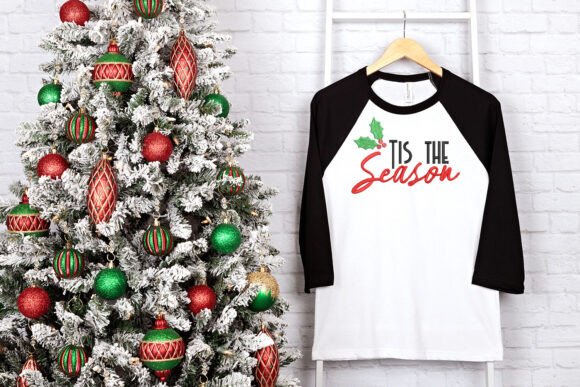
The moment I loaded the file, the classic holiday aesthetic was immediately apparent. The design features a sprig of holly paired with the phrase “Tis the Season,” creating a balanced composition that feels traditional yet fresh. For those of us in the craft business, visual balance is critical. The layout avoids the common pitfall of overcrowding, allowing the text to breathe while the holly provides a natural frame. This visual personality suggests warmth and nostalgia, making it an ideal candidate for holiday gifts and seasonal home decor.
From a technical standpoint, the interplay between the organic shapes of the leaves and the structured lettering requires careful attention to stitch types. A well-digitized version of this design should utilize a mix of satin stitch for the bold lettering and finer details, and potentially fill stitch or textured runs for the holly berries and leaves to add depth without excessive bulk.
Real-World Application: The Sweatshirt Test
To truly judge an embroidery file, you must imagine it on a finished product. I envisioned this design stitched onto a heather grey crewneck sweatshirt, a staple item for any Etsy seller or small shop owner during the fourth quarter. The contrast of deep green holly and bright red berries against the muted grey fabric creates a sophisticated look that appeals to adult buyers, not just children.
When preparing this for a custom apparel project, the placement is key. Centered on the chest, the design acts as a statement piece. However, because the phrase includes specific lettering, ensuring the stitch density is appropriate for knit fabrics is essential. If the digits are too dense, the fabric may pucker, ruining the clean lines of the text. In my assessment, this design performs best when paired with a cut-away stabilizer to support the stretch of the garment while maintaining the integrity of the satin columns in the letters.
Versatility Across Product Lines
Beyond apparel, the Christmas Tis the Season Embroidery shows promise in home decor. Imagine this stitched onto a natural linen pillow cover or a set of kitchen tea towels. The rustic charm of the holly complements natural fibers beautifully. For handmade product creators, this versatility increases the return on investment for a single digital asset. You can market the same design across multiple categories, from baby embroidery items like onesies (using a smaller hoop size) to larger tote bag design applications.
For those creating embroidered patch products, this design’s contained shape makes it an excellent candidate. Patches require clean edges and minimal loose threads, so checking the trim points in your software before stitching is a necessary step. A well-executed patch can be sold as a standalone accessory or used to embellish denim jackets and caps.
Technical Considerations and Fabric Challenges
While the design is visually appealing, practical execution requires awareness of its limitations. Small hoop sizes may crop the holly sprig if not centered perfectly. Always check the dimensions of the embroidery project against your machine’s maximum area. Additionally, textured fabrics like terry cloth or heavy wool can obscure fine details. If you are stitching on a thick towel, consider increasing the pull compensation slightly to ensure the letters remain legible.
Dark fabrics present another challenge. If you are stitching on navy or black, the green holly may not pop sufficiently. In such cases, using a lighter shade of green or adding a subtle underlay can help define the shape. Conversely, on white fabric, ensure the thread colors are vibrant enough to avoid a washed-out appearance. Testing on scrap fabric is non-negotiable here. Do not skip this step, especially when fulfilling orders for clients who expect premium quality.
Stitching Clarity and Detail Level
The phrase “Tis the Season” contains apostrophes and varying letter widths. In lower-quality digitizing, these small elements can become tangled or break frequently. A professional review involves checking the running stitch connections and jump stitches. Efficient pathing reduces thread waste and minimizes the time spent trimming jumps, which is crucial for commercial embroidery operations where time equals money.
If the design includes tiny details in the holly veins, verify that they are not too fine for standard 40wt thread. Sometimes, simplifying these details or switching to a finer 60wt thread can improve clarity, though this depends on the specific digitization provided in the digital embroidery file.
Enhancing Brand Value and Customer Trust
For small business owners and creative entrepreneurs, the quality of your embroidery reflects your brand. A crisp, well-stitched Christmas Tis the Season Embroidery signals professionalism. It tells the customer that care was taken in every step of the process. This attention to detail builds trust and encourages repeat business. When customers receive a personalized gift that looks polished and durable, they are more likely to leave positive reviews and share photos on social media, providing valuable organic marketing.
Using this design in printable mockup previews can also boost engagement. Show potential buyers how the design looks on different items—caps, aprons, and blankets. Visualizing the end result helps customers make purchasing decisions faster. Ensure your mockups accurately represent the texture and sheen of the actual threads to manage expectations.
Practical Designer Notes for Success
- Test Before Production: Always stitch out a sample on the exact fabric type you plan to use. Check for puckering, thread breaks, and color accuracy.
- Stabilizer Selection: Use tear-away stabilizer for woven fabrics like cotton towels and cut-away for knits like sweatshirts to prevent distortion.
- Thread Contrast: Ensure there is sufficient contrast between the thread colors and the fabric background. Adjust shades if necessary for visibility.
- Check Licensing: Before selling finished items or using the design in commercial products, confirm the license terms associated with the design assets. Some files allow unlimited sales, while others have restrictions.
- Hoop Size Verification: Confirm the design fits within your available hoop sizes. If resizing is necessary, do so cautiously to avoid distorting the stitch density.
- Clean Up: Trim all jump threads and loose ends meticulously. A clean backside is just as important as the front for high-end craft business items.
In conclusion, the Christmas Tis the Season Embroidery is a strong contender for holiday collections. Its classic motif and versatile layout make it suitable for a wide range of applications, from custom apparel to home accents. By paying attention to technical details like stabilizer choice and stitch density, designers can produce high-quality finished products that delight customers and elevate their brand. As with any embroidery project, success lies in the preparation and the precision of execution.