Kitchen Tools Split Embroidery: A Designer’s Review
As an embroidery designer who has spent years digitizing logos for local businesses and boutique brands, I approach every new machine embroidery design with a critical eye. It is not just about whether the artwork looks cute on a screen; it is about how that art translates into thread on fabric. Recently, I evaluated the Kitchen Tools Split Embroidery file to determine its viability for small business merchandise, branded patches, and staff uniforms. This review focuses on the practical application of this design for entrepreneurs in the culinary and handmade sectors.
First Impressions and Visual Personality
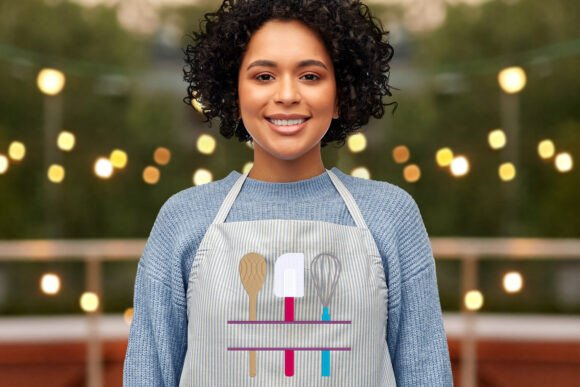
The initial visual impact of Kitchen Tools Split Embroidery is undeniably friendly and approachable. The combination of a whisk, a rubber spatula, and a wooden spoon creates an immediate association with home cooking, baking, and professional culinary arts. Unlike rigid corporate logos, this design feels rustic yet modern, striking a balance that appeals to both high-end bakeries and cozy home-kitchen enthusiasts. The "split" feature in the middle is the standout element, offering a dedicated space for custom text. This transforms a static graphic into a versatile branding tool.
For small business owners, this aesthetic suggests warmth and craftsmanship. It does not scream "industrial factory"; instead, it whispers "handmade quality." This distinction is crucial when building brand identity. Customers often associate embroidered goods with higher value and durability compared to printed alternatives. By choosing a design that features classic tools like wooden spoons and whisks, you signal authenticity to your audience.
Real-World Applications for Small Business Merch
The true test of any digital embroidery file is its versatility across different products. Here is how I envision this design performing in real commercial scenarios:
- Staff Uniforms and Aprons: This is the most obvious use case. Embroidering the design on the chest pocket of an apron adds a professional touch. The split allows you to add the employee’s name or the café’s slogan, creating a personalized uniform that boosts team morale and customer recognition.
- Embroidered Patches: Because the design is self-contained, it works exceptionally well as a patch. You can produce batches of these patches to sell as standalone accessories or sew them onto tote bags and jackets. Patches are a low-risk way to test small business merch without committing to full garment production.
- Caps and Headwear: Placing this design on the front panel of a baseball cap can be tricky due to curvature, but the compact nature of the kitchen tools makes it a strong candidate. Ensure the text in the split remains legible when curved around the head.
- Tote Bag Design: Canvas tote bags are a staple for boutiques and farmers' markets. The sturdy texture of canvas holds embroidery well, allowing the thread colors to pop. This design serves as an excellent central focal point for a branded shopping bag.
- Product Packaging Accents: For sellers of homemade jams, spice blends, or baked goods, sewing a small version of this design onto a fabric label attached to the packaging elevates the perceived value of the finished product.
Technical Considerations and Production Notes
While the design is visually appealing, technical execution is where many projects fail. As a designer, I always recommend rigorous testing before full-scale production. The description notes that the file comes in 8 formats and 5 sizes, which is a significant advantage. However, you must verify the specific hoop size requirements for each variation. Using a design that is too large for your machine’s hoop will result in failed stitches or misalignment.
Stitch density is another critical factor. Kitchen tools involve curves and overlapping elements. If the density is too high, the fabric may pucker, especially on lighter materials like cotton t-shirts. Conversely, if the density is too low, the backing material might show through. I advise running a test stitch-out on a scrap piece of the exact fabric you intend to use. Pay close attention to the junction where the whisk and spatula meet the central split. This area requires precise registration to ensure the text space remains clear and unobstructed by stray threads.
Furthermore, consider the fabric texture. Textured fabrics like terry cloth towels or heavy denim require different stabilization strategies than smooth polyester blends. Always use the appropriate stabilizer to prevent distortion. For dark uniforms, ensure your thread color contrast is sufficient. A light-colored whisk on a black apron looks striking, but if the design relies on subtle shading, it may get lost. Test in black and white first to check for clarity.
Strategic Branding and Customer Trust
Beyond the technical aspects, using Kitchen Tools Split Embroidery strategically enhances your brand’s narrative. In the world of commercial embroidery, consistency is key. If you use this design on your aprons, consider mirroring the same color palette on your website and social media graphics. This visual consistency builds trust. Customers recognize the brand faster when they see the same whisk-and-spatula motif across different touchpoints.
Additionally, the ability to customize the text in the split allows for dynamic marketing. You can change the text for seasonal promotions—"Holiday Baking," "Summer Grilling," or "Fresh Daily"—without changing the core graphic. This flexibility reduces the need for multiple design assets and lowers inventory costs for pre-made merchandise. It also makes the items feel more exclusive to the buyer, increasing engagement and likelihood of purchase.
Final Verdict and Recommendations
The Kitchen Tools Split Embroidery design is a robust choice for businesses in the food, hospitality, and handmade crafts industries. It balances playful imagery with professional utility. However, success depends on proper preparation. Before launching your campaign, create a printable mockup to visualize the design on various items. Confirm the commercial licensing terms included with the file to ensure you are compliant for resale purposes.
Remember to check the specific details regarding stitch count and recommended needle types, as these are not explicitly provided in the brief description but are vital for high-quality output. By treating this embroidery file as a core component of your brand strategy rather than just a decorative element, you can create merchandise that resonates with customers and stands the test of time. Whether you are decorating caps for a local bakery or creating branded patches for an Etsy shop, this design offers the flexibility and charm needed to succeed in today’s competitive market.